Burdens of Minority Stress
Stress is a universal experience. We’ve all felt it, especially during these uncertain times. However, it can affect some groups more than others. Stress can impact minorities and marginalized groups more than other groups. Minorities and marginalized groups face chronic stress caused by stigma, prejudice, discrimination, and internalized homophobia more than non-marginalized groups. Unfortunately, this chronic stress means that marginalized and minority groups can have higher rates of mental health issues.
The unjust treatment of people based on ethnicity, age, sex, or disability can present itself in different ways, such as stereotyping, microaggressions, or hate crimes. Microaggressions are the sneakiest form of discrimination. It can be an unintentional, casual, verbal, or nonverbal remark or slight. The pain arises because, even if it’s unintentional, this remark still communicates hostility towards that group.
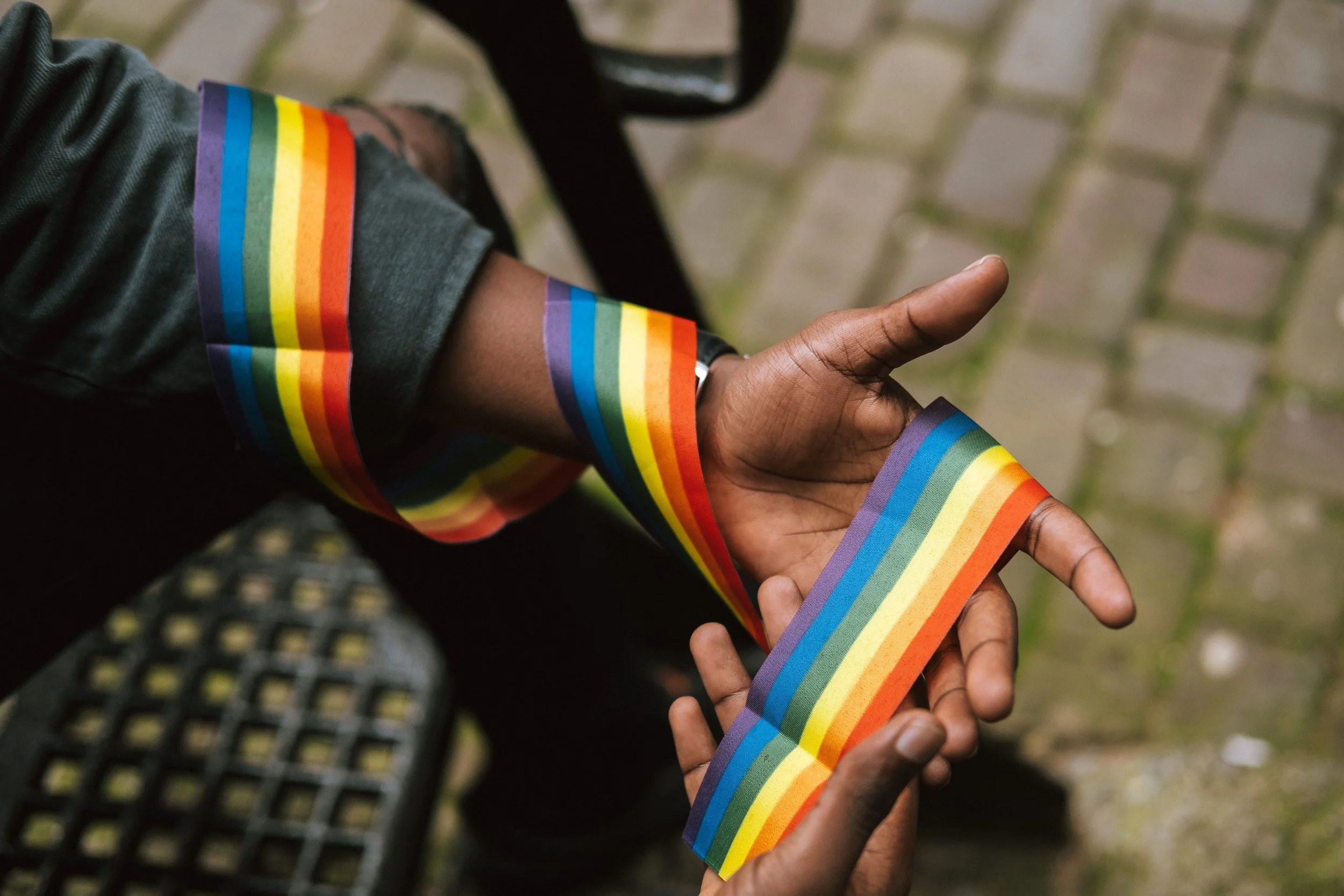
A person holding rainbow ribbons symbolizing LGBTQ pride and support.
Stereotyping, on the other hand, means assigning simplistic beliefs to a person based on their identity. Stereotypes may appear positive in certain instances, but are harmful nonetheless, as they force people into a rigid mould. For example, a “positive” stereotype is that “Asians are good at math”. You might think this is a kind thing to say, especially in comparison to other, more negative stereotypes like “Asians being bad at driving”. However, mathematical skills take hundreds, if not thousands, of hours to develop, improve, and maintain. Asian people are not born being better at math, and this stereotype can add a lot of unnecessary pressure to an Asian person. So, even if a stereotype seems “positive”, it can still be hurting someone, and it can lead to us treating that person unfairly.
Hate crimes in Canada have doubled between 2019 and 2023, with the number remaining at a historic high of 4,882 incidents in 2024. Hate crimes leave a widespread psychological impact on entire communities and make people feel unsafe. While hate crimes are more obvious, visible, and violent than stereotyping and microaggressions, these subtle forms of prejudice can still be insidious. Whether intentional or not, stigma and prejudice result in marginalized people not being able to access the same levels of services and care as those available to dominant groups.
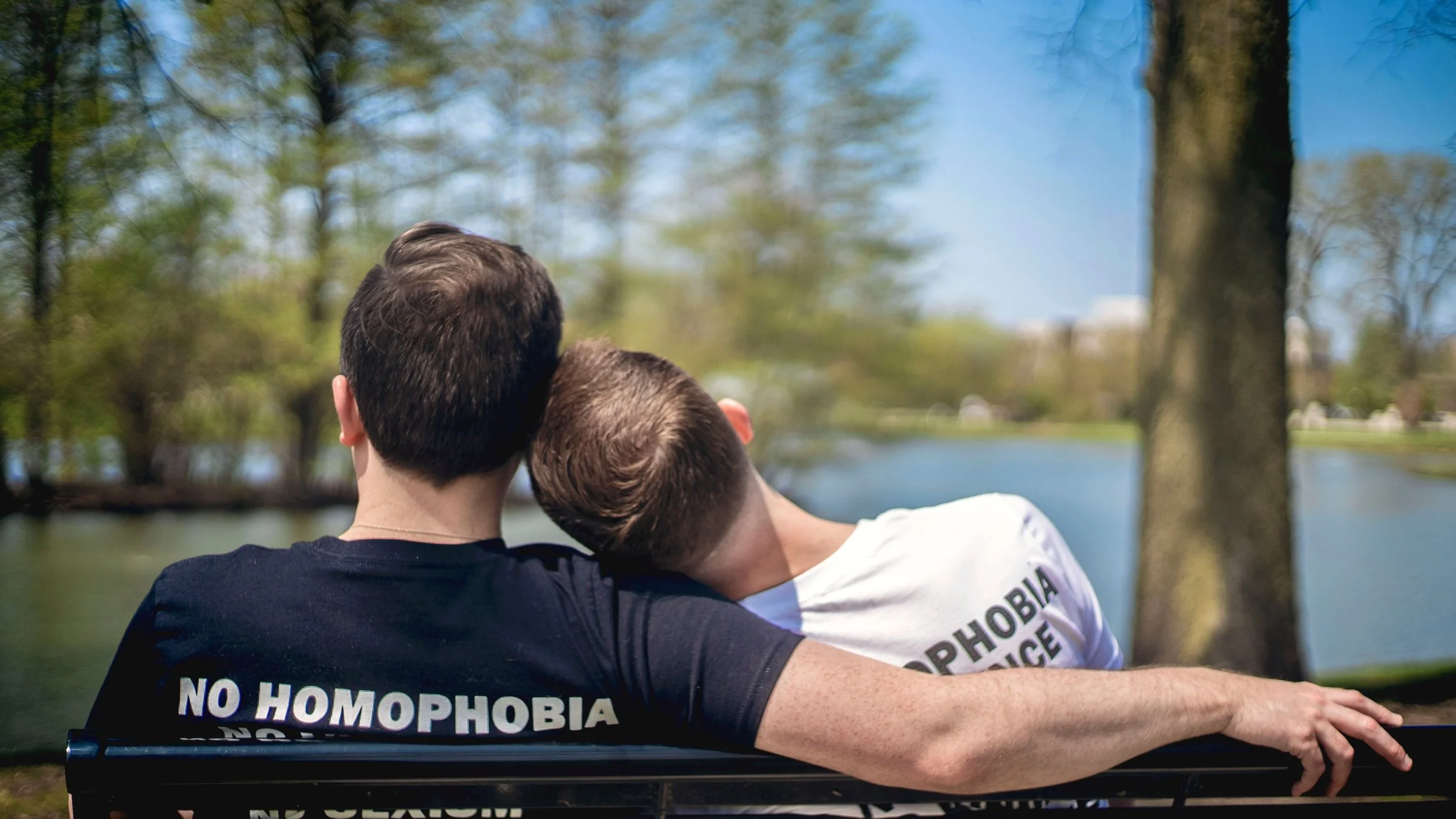
Two men sitting on a park bench by a lake, embracing love with unity and pride.
Here at Queer Therapy Collective, we keep in mind that many 2SLGBTQIA+ clients have endured ongoing trauma, prejudice, and discrimination throughout their lives, and we strive to provide compassionate care to help you cope with life. Our therapists understand the unique needs of queer clients because we’ve been there, and we want to support you. If you or a loved one is struggling, our therapists are here to listen, support, and connect you with practical resources to support well-being and resilience. Please don’t hesitate to reach out.
Resources: Combatting Hate in Canada, Minority Stress Theory Research
Written by: Radhika Dhaipule
Edited by: Alex Zebeljan
